In the kitchen
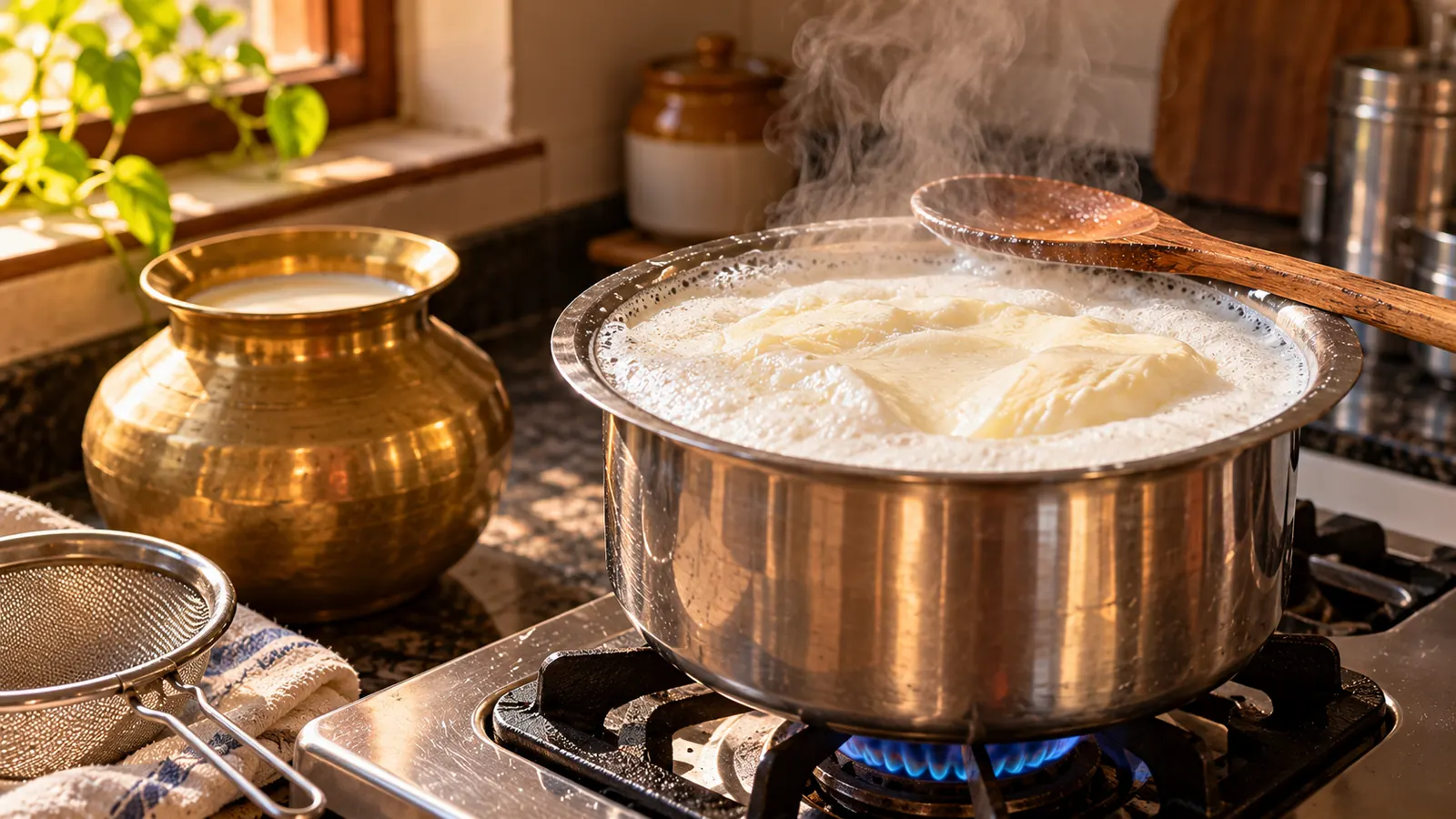
Is Raw Milk Safe to Drink? Why Fresh Milk Should Be Boiled
Dairy milk reaches you raw. Why boiling it once makes it safe, how long to boil it, and what boiling does - and does not - take away.
· 4 min read
In the kitchen
By Naresh Kumar · · Updated · 3 min read
Fat, protein, digestion, children, chai and dahi - what actually differs between cow and buffalo milk, and how most families in Jalore decide.
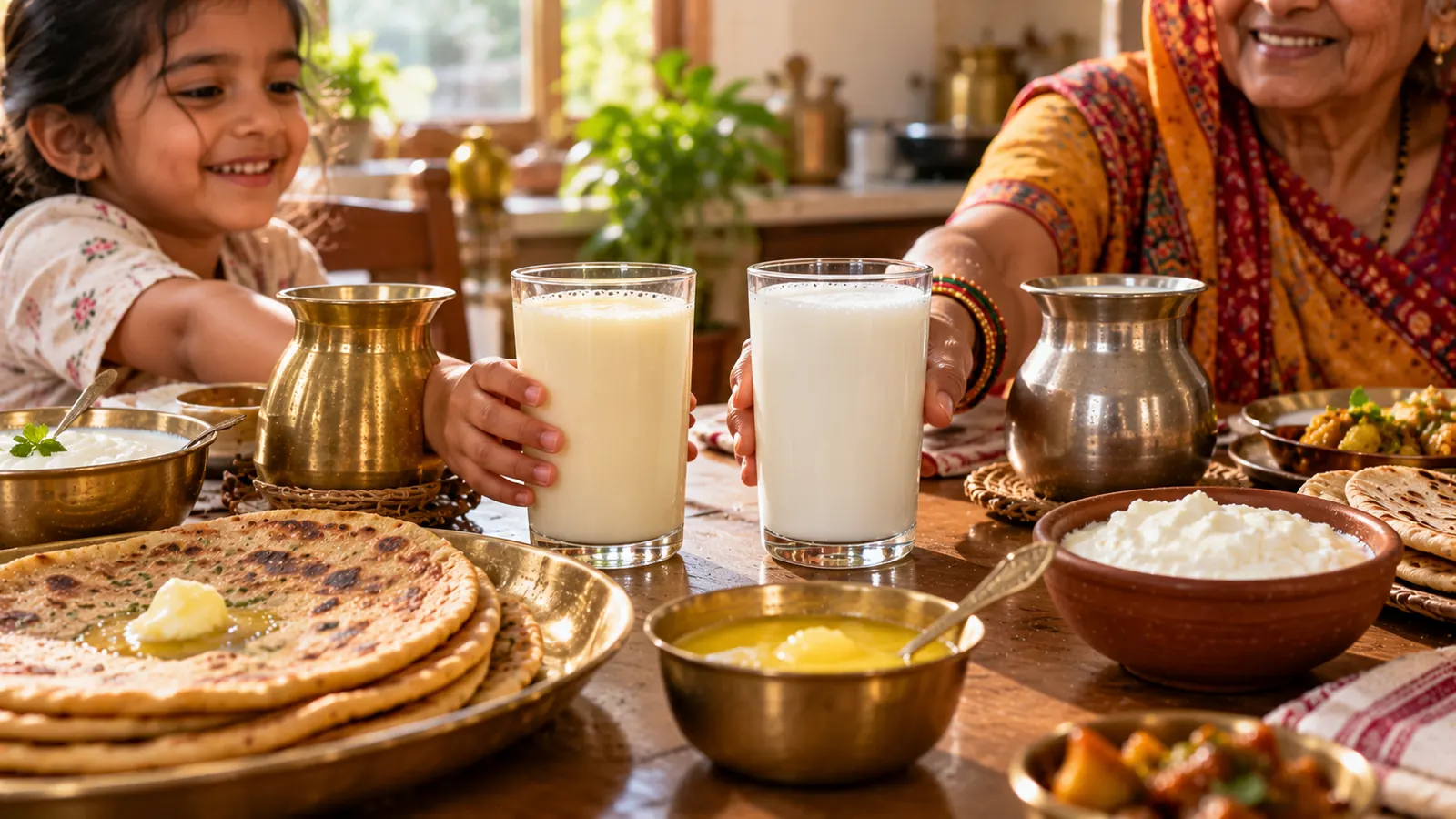
Most households in Jalore have an opinion on this, and most of them are right for their own kitchen. Cow milk and buffalo milk are not better and worse versions of the same thing - they are different milks, and the useful question is which one suits what you do with it.
This is the biggest difference. Cow milk is usually around 3.5 to 4.5 percent fat; buffalo milk around 6.5 to 8 percent - close to double. That fat is what makes buffalo milk feel thick and what makes it heavier, at roughly 100 calories per 100 ml against about 65 for cow milk.
It is also why buffalo milk usually costs more per litre in Rajasthan. Dairies here buy milk by its fat, and buffalo milk carries more of it.
Buffalo milk carries more protein too - around 4.5 g per 100 ml against roughly 3.3 g for cow milk. More fat and more protein together mean more solids, which is exactly why buffalo milk sets a firmer dahi and gives more paneer from the same litre.
Cow milk has a faint cream-yellow tint; buffalo milk is a flat white. The tint is beta-carotene from green fodder: cows pass it into their milk, buffaloes convert most of it into vitamin A first. The same difference shows up later in the ghee, which we cover in cow ghee vs buffalo ghee.
The traditional view is that cow milk is lighter on the stomach, and the lower fat is a plausible reason. It is why cow milk is the usual choice for children, older people and anyone recovering from illness. Buffalo milk is not bad for children - it is simply richer, and some families thin it with a little water for the youngest.
One firm rule: for a baby under a year old, neither cow nor buffalo milk should be the main drink. That is standard paediatric advice, and your child's doctor is the person to ask about when and how to start.
Buffalo milk sets the thicker dahi. With more fat and protein in the pot it comes out firm and creamy, and it holds a spoon. Cow milk dahi is softer and lighter, with a looser set. Reach for buffalo when the dahi is the dish - with a hot paratha or in a thick raita - and cow when you want something lighter to eat every day. If either keeps coming out runny, the milk is rarely the cause: see why your dahi won't set.
Whichever you choose, fresh milk has not been processed to last the way packaged milk has. Boil it soon after it arrives and keep it towards the back of the fridge - more in keeping fresh milk from turning in Rajasthan's heat.
We keep both buffaloes and cows, and deliver fresh buffalo and cow milk in glass bottles across Jalore City every day. Tell us which you want - or some of each - and see how delivery works.
We describe what we do and what is in the product. Nothing here is medical or nutritional advice, and dairy is not a treatment for anything - if you have a health question, ask a doctor rather than a dairy.
In the kitchen
Dairy milk reaches you raw. Why boiling it once makes it safe, how long to boil it, and what boiling does - and does not - take away.
· 4 min read
In the kitchen
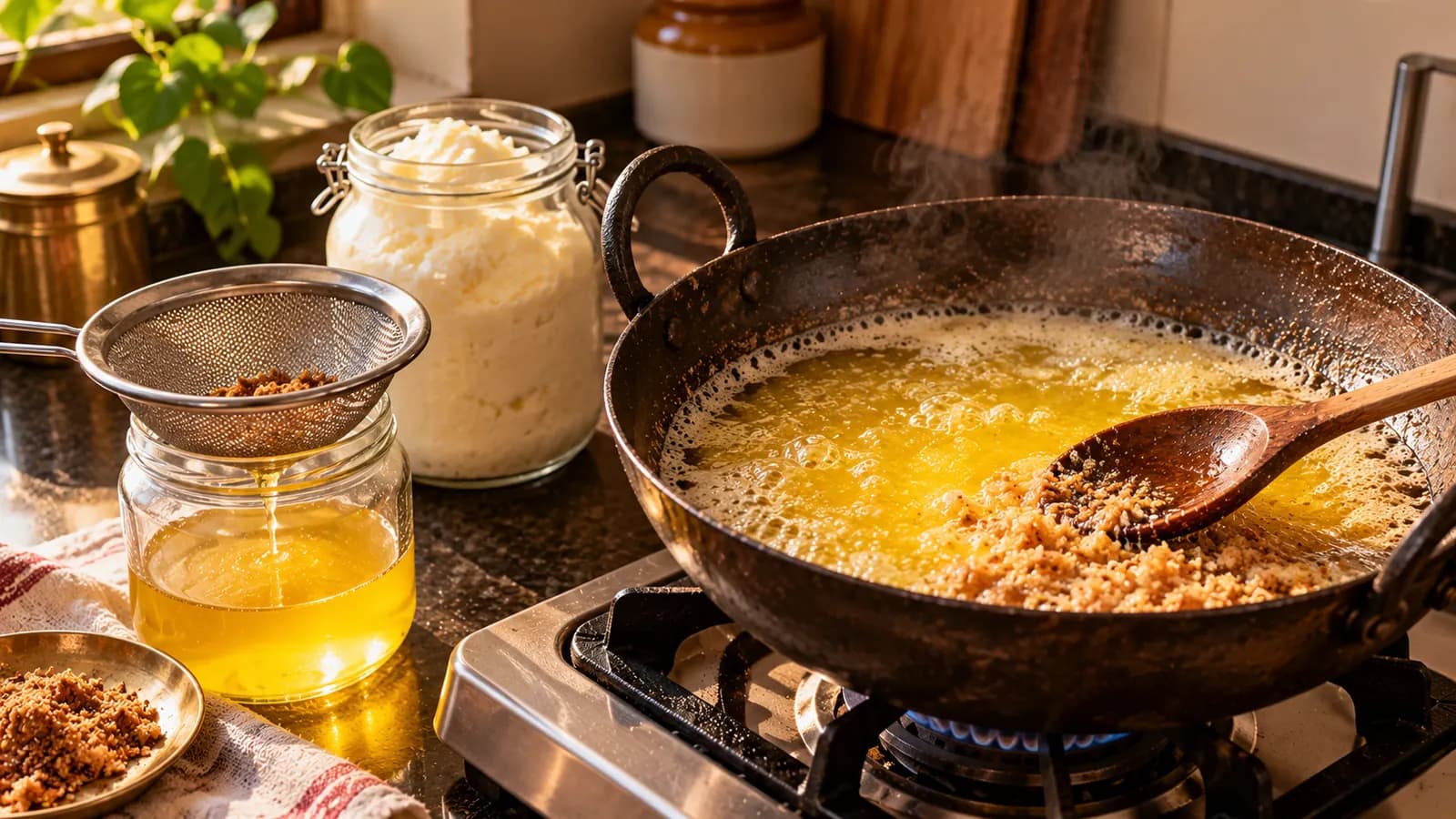
How to collect malai without it spoiling, turn it into butter, and cook that butter into clear, nutty ghee - with the signs that tell you when to stop.
· 4 min read
In the kitchen
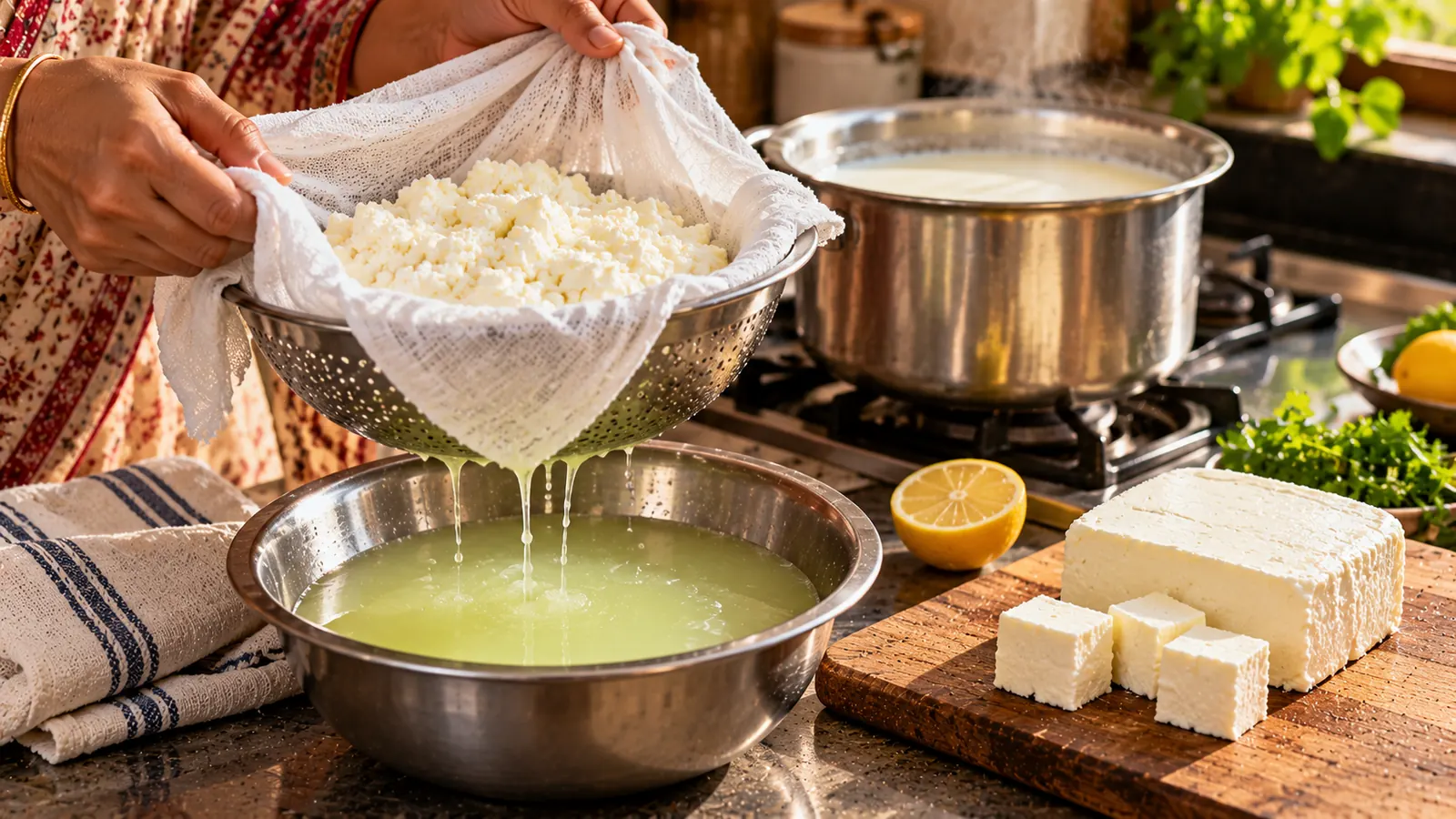
Soft paneer from a litre of full-cream milk in under an hour: which acid to use, how much paneer to expect, and why it turns rubbery or crumbly.
· 3 min read